
Mark’s work is built around a simple belief: organizations move forward as one team when people intentionally give one another the gifts they need to succeed.
Where This Work Comes From
Before becoming a keynote speaker and leadership advisor, Mark founded and led a software company for more than fifteen years.
Again and again he heard leaders say: ‘We have good people, but we’re not functioning as one team.'”
He came to believe that many challenges that appear to be communication, structural, or process problems are ultimately people problems. That realization became the foundation for Uncommon Collaboration™.
At the heart of that work are The Four Collaboration Passes: Presence, Truth, Grace, and Belief. Together, they help people intentionally give one another what they need to succeed.
Today, Mark brings Uncommon Collaboration™ to life through keynotes, retreats, and advisory engagements that help organizations align people, priorities, and execution so they can move forward as one team.
Presence
Stepping into someone else’s world so they feel seen, heard, and valued.
Grace
Not letting the past run the future.
Truth
Starting, inviting, and responding to truth, so people can see reality clearly.
Belief
Helping people see what is possible in themselves, their team, and the future.
The Four Collaboration Passes
At the heart of Uncommon Collaboration™ are The Four Collaboration Passes.
Every organization has systems for managing the work. Uncommon Collaboration™ is about something different: helping people intentionally give one another what they need so the work succeeds.
The Four Collaboration Passes help build stronger trust, healthier conversations, greater organizational alignment, and better execution.
Organizations Mark Has Worked With
Organizations across the public, private, and nonprofit sectors have trusted Mark to help leaders strengthen trust, align people and priorities, and move forward as one team.














What Organizations Experience
They’re designed to create interactive experiences that help people see one another differently and move forward together.
Participants often say that:
- Trust deepens.
- Conversations become more honest.
- Alignment strengthens.
- People reconnect around a shared purpose.
- Energy goes up.
- Teams move forward as one.
As one client put it:
“The walls have come down, the energy has gone up, and we’re working together in a healthier, more productive way.”
That’s the kind of shift Uncommon Collaboration™ creates.
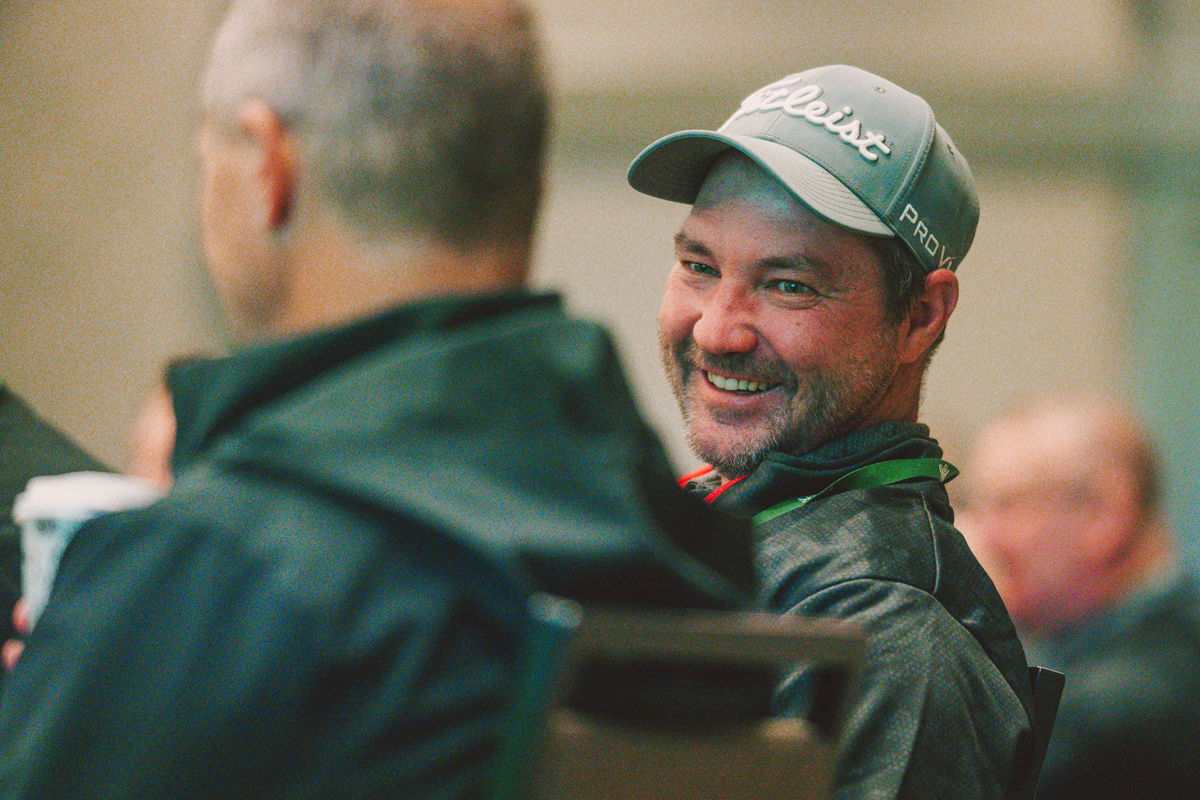
You opened up the opportunity for a new dialog at the hospital about how we need to lead our teams differently.
Author
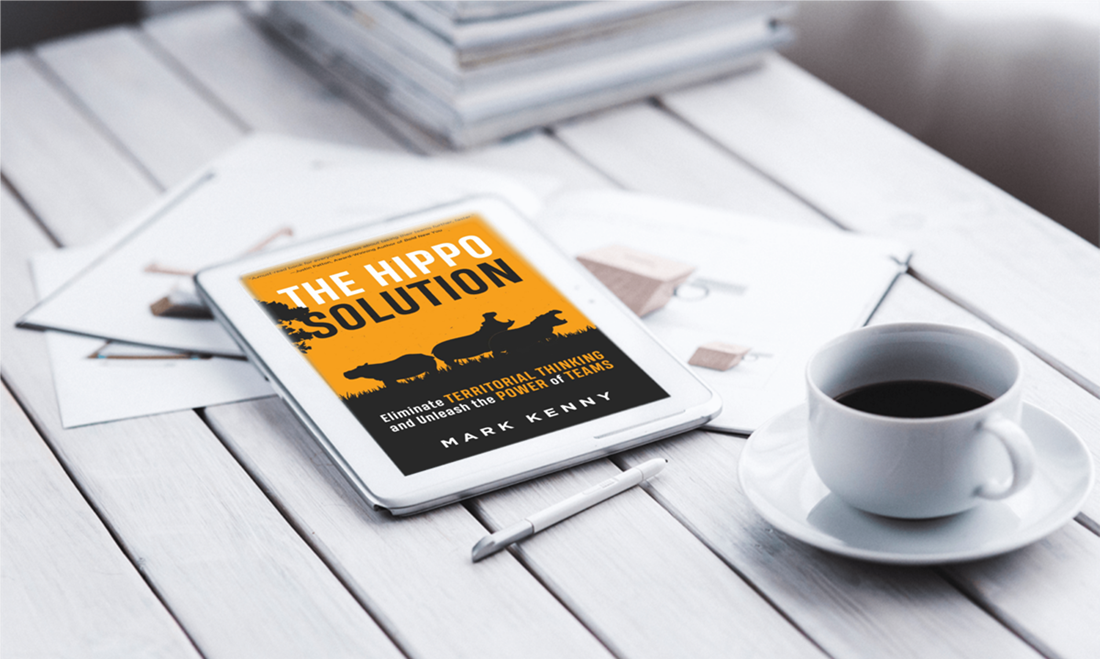
Mark is also the author of The Hippo Solution: Eliminate Territorial Thinking and Unleash the Power of Teams , a practical guide to helping organizations overcome silo thinking and move forward together.
Beyond the Stage
Outside of his work with organizations, Mark is a former high school girls’ basketball coach, including coaching his daughter.
Coaching reinforced something he still believes today: talented people don’t automatically become aligned teams. People move forward when they intentionally give one another what they need.

Let's Start a Conversation
“We have good people, but we’re not functioning as one team.”
If that sounds familiar, let’s talk.